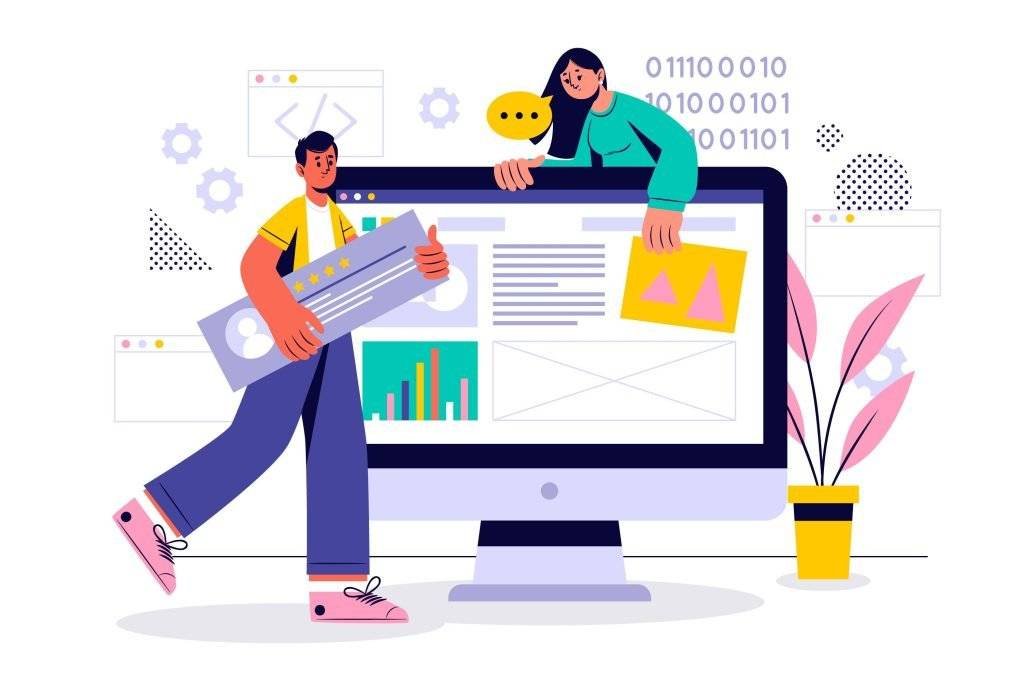
In the world of web design, accessibility has become an increasingly important consideration. With more and more people relying on the internet to conduct their daily lives, it’s imperative that everyone be able to access web content, regardless of their physical abilities or disabilities. That’s where accessible web design comes in.
Accessible web design is the practice of designing websites that are accessible to everyone, including users with disabilities. This includes individuals with visual, auditory, motor, or cognitive impairments. By following accessibility guidelines, web designers can ensure that all users can access and navigate websites efficiently and effectively.
One of the key principles of accessible web design is ensuring that website content is perceivable. This means that text content should be easy to read and images should have alt tags that describe their content for screen reader users. Additionally, videos should be accompanied by captions or transcripts to make them accessible to users who are deaf or hard of hearing.
Another important principle of accessible web design is making sure that content is operable. This means that users should be able to navigate the website using a keyboard alone, without having to use a mouse. Additionally, buttons and links should be large enough to be easily clicked on, and forms should be simple and straightforward.
In order to be accessible, web designs must also be understandable. This means that content and navigation should be clear and easy to understand, even for users who have cognitive impairments. To ensure this, web designers should avoid using technical jargon and should use simple language wherever possible.
Finally, accessible web designs must be robust, meaning they must be designed in a way that is compatible with a range of assistive technologies, including screen readers, refreshable Braille displays, and voice recognition software.
By following these principles, web designers can create websites that are accessible to all users, regardless of their physical ability. At the same time, it’s important to note that accessible web design can also provide SEO benefits. For example, adding alt tags to images can help improve the website’s ranking in search engine results pages.
At Oiesu.com, we recognise the importance of accessible web design, and we strive to create websites that are accessible to all users. Whether you’re designing a website for a corporate client or an individual, we’re here to help you create a website that meets all accessibility guidelines while providing an exceptional user experience. Let’s work together to create websites that are accessible to all!