Google Pay Per Click Marketing: A Complete Guide
In the digital marketing world, Google Pay Per Click (PPC) advertising is a powerful tool that helps businesses drive targeted traffic to their websites and increase conversions. If you are looking to expand your online presence and boost your revenue, mastering the art of Google PPC marketing is essential.
What is Google Pay Per Click Marketing?
Google PPC marketing is a form of online advertising where advertisers pay each time a user clicks on their ad. These ads are displayed on Google’s search engine results page (SERP) and various other websites in the Google Display Network.
One of the main benefits of PPC advertising is that it allows businesses to target their ads to specific keywords, demographics, locations, and devices. This level of targeting ensures that your ads are shown to the most relevant audience, increasing the likelihood of conversions.
How Does Google PPC Marketing Work?
To start advertising on Google, you need to create a Google Ads account and set up your campaigns. You will need to select your target keywords, create compelling ad copy, and set your budget and bidding strategy. Google Ads uses a pay-per-click model, meaning you only pay when someone clicks on your ad.
There are several types of Google PPC ads, including search ads, display ads, and video ads. Search ads are shown on the Google SERP when users search for a specific keyword, while display ads are displayed on websites within the Google Display Network. Video ads are shown on YouTube and other video-sharing platforms.
Best Practices for Google PPC Marketing
To ensure the success of your Google PPC campaigns, it is important to follow best practices and continuously optimize your ads. Here are some tips to help you get the most out of your PPC marketing efforts:
1. Keyword Research: Conduct thorough keyword research to identify relevant keywords with high search volume and low competition. Use tools like Google Keyword Planner to find the best keywords for your campaigns.
2. Compelling Ad Copy: Write engaging and relevant ad copy that entices users to click on your ads. Include a clear call-to-action and highlight the benefits of your products or services.
3. Landing Page Optimization: Ensure that your landing pages are optimized for conversions. Make sure your landing page is relevant to your ad copy and provides a seamless user experience.
4. Bid Strategy: Experiment with different bidding strategies to find the most cost-effective way to drive conversions. Monitor your campaigns regularly and adjust your bids to maximize ROI.
5. A/B Testing: Test different ad creatives, landing pages, and targeting options to identify what resonates best with your audience. Use split testing to continually improve your campaigns.
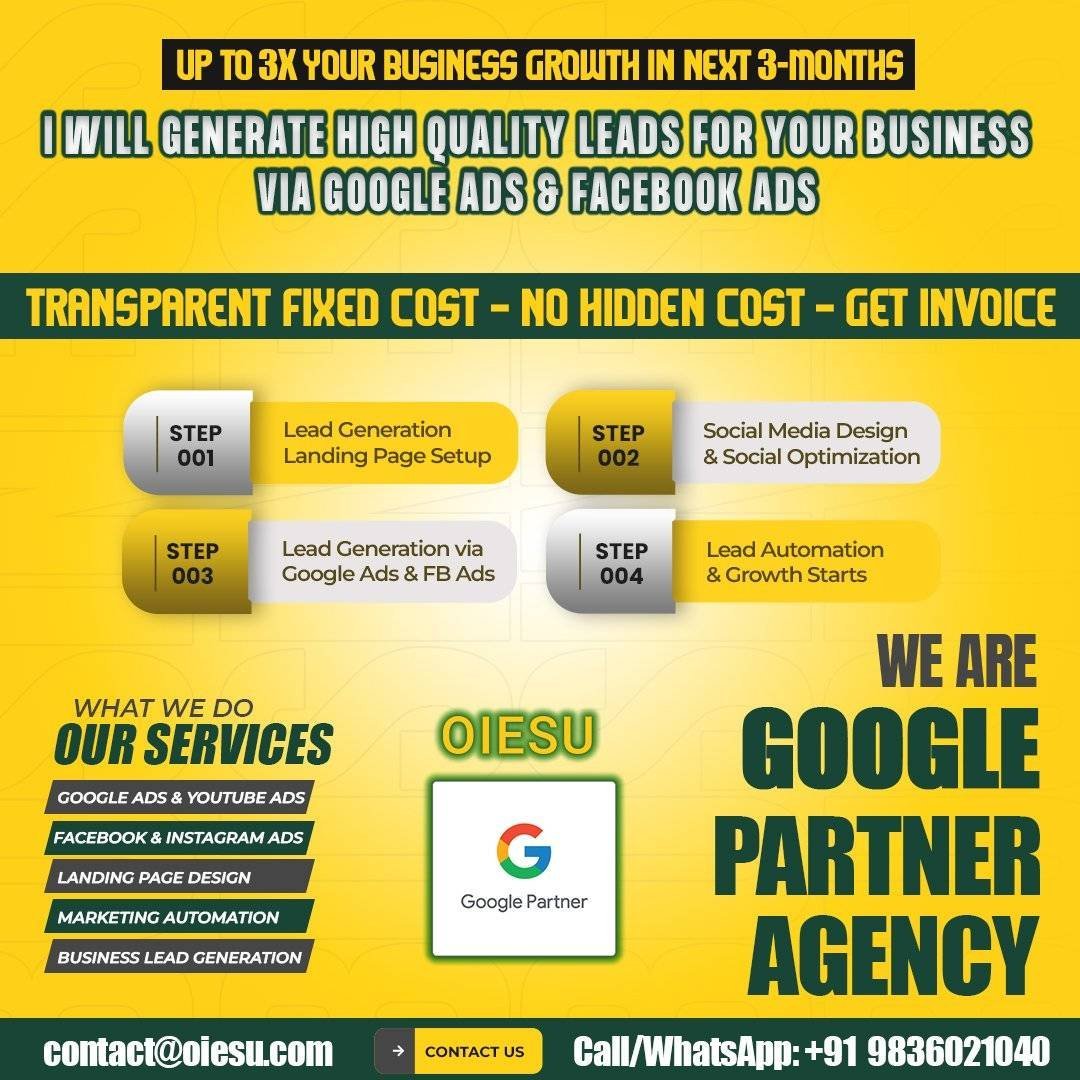
In conclusion, Google PPC marketing is a powerful tool for businesses looking to drive targeted traffic to their websites and increase conversions. By following best practices and optimizing your campaigns, you can effectively reach your target audience and achieve your marketing goals. If you need assistance with your Google PPC marketing efforts, consider partnering with a reputable digital marketing agency like OIESU (OPC) PRIVATE LIMITED.